

Thermoplastic Polymers: Materials, Types, and Applications
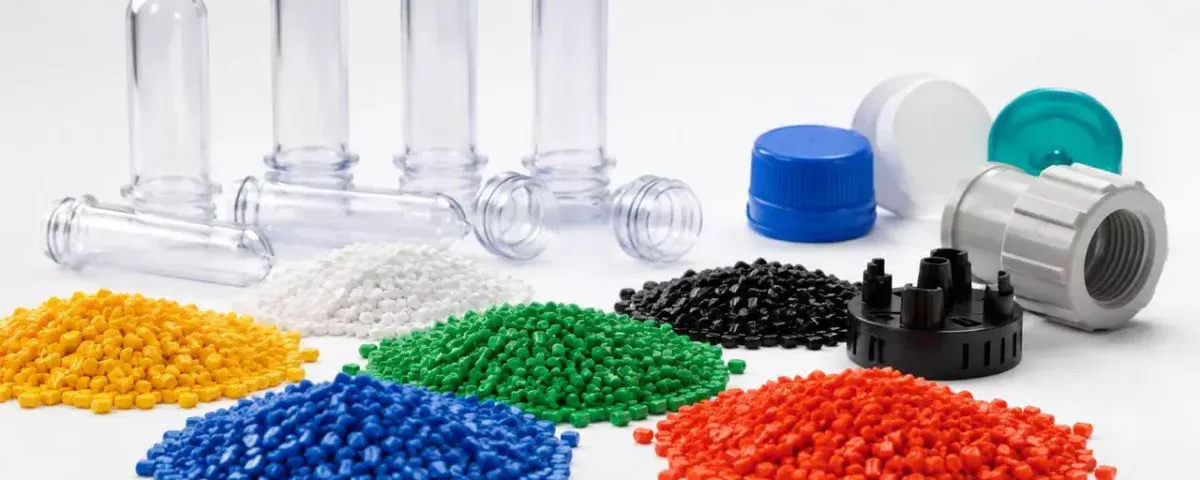
Thermoplastic polymers are plastic materials that melt when heated and solidify again upon cooling. They include polyethylene, polypropylene, PVC, PET, polystyrene, ABS, and polycarbonate. Thermoplastics are used to manufacture packaging, containers, bottles, films, pipes, housings, technical parts, toys, and disposable tableware.
Basic Properties of Thermoplastic Polymers
The properties of thermoplastics depend on the polymer’s structure, the type of molecular chains, and the strength of the bonds between them. It is these characteristics that determine how the material behaves during heating, molding, cooling, and the subsequent use of the product.
Melting when heated and solidifying when cooled
The main characteristic of thermoplastics is their ability to change shape when heated. When heated, the intermolecular forces between the chains weaken, and the material becomes plastic and suitable for molding. After cooling, the polymer hardens again and retains the specified shape of the product.
This property is important for injection molding, extrusion, thermoforming, and other manufacturing processes used to produce plastic products.
Strength, lightness, and load-bearing capacity
Most thermoplastic polymers combine low weight with sufficient mechanical strength. Depending on the type of polymer, the material can be flexible, rigid, impact-resistant, or abrasion-resistant.
That is why thermoplastics are used for containers, housings, technical parts, fasteners, packaging, and industrial components.
Chemical resistance to moisture, acids, and solutions
Thermoplastic polymers can exhibit high resistance to moisture, acids, alkalis, oils, and other chemicals. The level of resistance depends on the material’s composition, molecular structure, and the product’s operating conditions.
For example, polyethylene and polypropylene are well-suited for containers, vessels, and packaging products that come into contact with moisture or household chemicals.
Recyclability
Since thermoplastics can be remelted, they can be recycled after use or from production scraps. This reduces waste and makes such polymer materials practical for mass production.
At the same time, the quality of the recycled material depends on the purity of the raw material, the type of polymer, and the number of heating cycles.
Types of Thermoplastic Polymers
Polyethylene — PE
Polyethylene is a lightweight, flexible, and moisture-resistant thermoplastic. It is used to make film, bags, containers, tubs, pipes, and packaging materials.
Polypropylene — PP
Polypropylene is stronger and more heat-resistant than polyethylene. It is suitable for lids, containers, technical parts, housings, and food packaging.
Polyvinyl chloride — PVC
PVC is a thermoplastic polymer that is resistant to moisture, abrasion, and external influences. It is used in pipes, profiles, cable insulation, coatings, and construction products.
Polyethylene terephthalate — PET
PET is a transparent, lightweight, and durable polymer. It is most commonly used for bottles, food packaging, containers, and beverage packaging.
ABS plastic
ABS is an impact-resistant thermoplastic with good strength and a high-quality surface. It is used for equipment housings, automotive parts, fasteners, and industrial components.
Where Are Thermoplastics Used?
Thermoplastic polymers are used to manufacture products that need to be molded, welded, reprocessed, or mass-produced.
The most common products made from thermoplastics are:
- packaging and containers — bottles, containers, lids, trays, food containers;
- Films and Bags — packaging films, bags, protective materials;
- Pipes and Profiles — water pipes, cable ducts, construction profiles;
- technical details — fasteners, housings, bushings, covers, mechanical components;
- household goods — toys, disposable tableware, containers, furniture components;
- automotive components — bumpers, panels, interior plastic parts;
- Industrial Products — plastic components for equipment, containers, protective elements, and production systems.
A specific polymer is selected for each product: for example, PET is most often used for bottles, polypropylene for caps and technical parts, PVC for pipes and profiles, and ABS for housings and impact-resistant components.
How do thermoplastic polymers differ from thermosetting polymers?
| Criterion | Thermoplastic polymers | Thermosetting polymers |
| Behavior when heated | Are remelted | Non-melting polymers after curing |
| Processing | Recyclable | Regeneration is not possible |
| Uses | Packaging, containers, parts, housings | Composites, adhesives, and insulation materials |
| Advantage | Packaging, containers, parts, housings | High rigidity and heat resistance |