

Manufacture and design of moulds for plastic injection moulding

We help guide you through the process from an idea, a drawing or a sample part to a finished mould and the launch of plastic product manufacturing. Replast designs and manufactures moulds for plastic injection moulding tailored to the customer’s specific requirements.

Turnkey design and manufacture of moulds

The manufacture of a mould requires precise engineering calculations, an understanding of polymer properties and practical experience in injection moulding. That is why it is important not simply to manufacture a metal mould, but to design it with the future production process in mind. Replast develops moulds for specific plastic products, material types, expected production runs and precision requirements. We take into account the part’s geometry, plastic shrinkage, gate location, material feeding system, cooling, and ejection of the finished product. This approach reduces the risk of defects, minimises the need for rework, and prepares the mould for stable mass production.
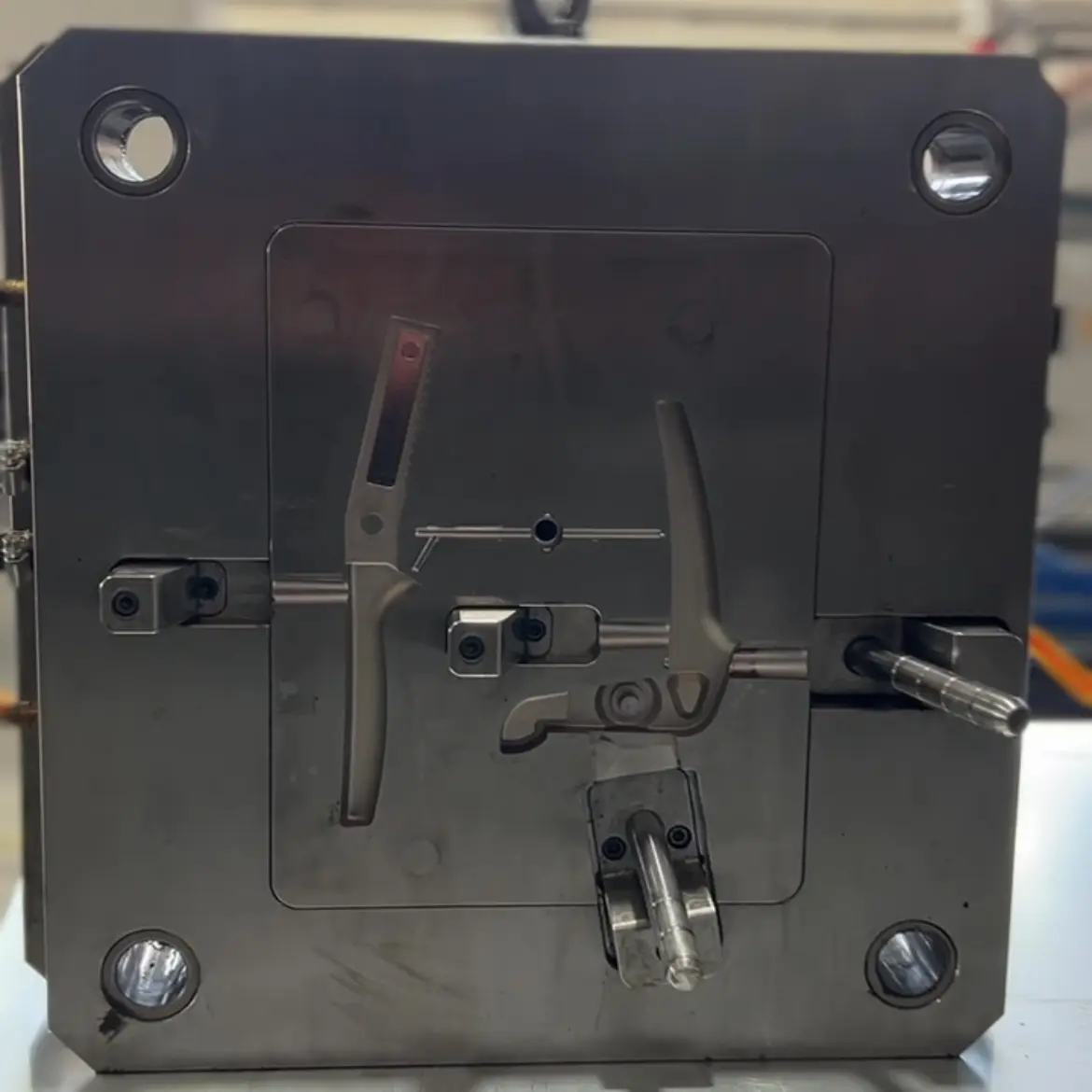
виготовлення прес-форм під ключ

What types of moulds do we manufacture?

Replast manufactures moulds for the injection moulding of plastic products of varying complexity — from simple parts to technical components for mass production.

Single-cavity moulds

For producing a single part per cycle. Suitable for complex products, small batches or trial runs.

Multi-cavity moulds

They enable the production of several identical parts in a single cycle. They are ideal for series and mass production.

Hot-runner moulds

They reduce material waste and improve casting efficiency. They are suitable for large production runs.

Cold-runner moulds

A practical solution for small and medium-sized batches. They feature a simpler design and are more affordable.

Moulds for technical plastic components

These are designed for products with complex geometries, precise fitting points, holes, grooves or stiffening ribs.

What types of plastic products are our moulds suitable for?

Replast moulds can be used to manufacture a wide range of plastic products using injection moulding. We specialise in components that require consistent geometry, a precise finish and suitability for mass production.

• Plastic housing components

• Technical plastic products

• Components for industry
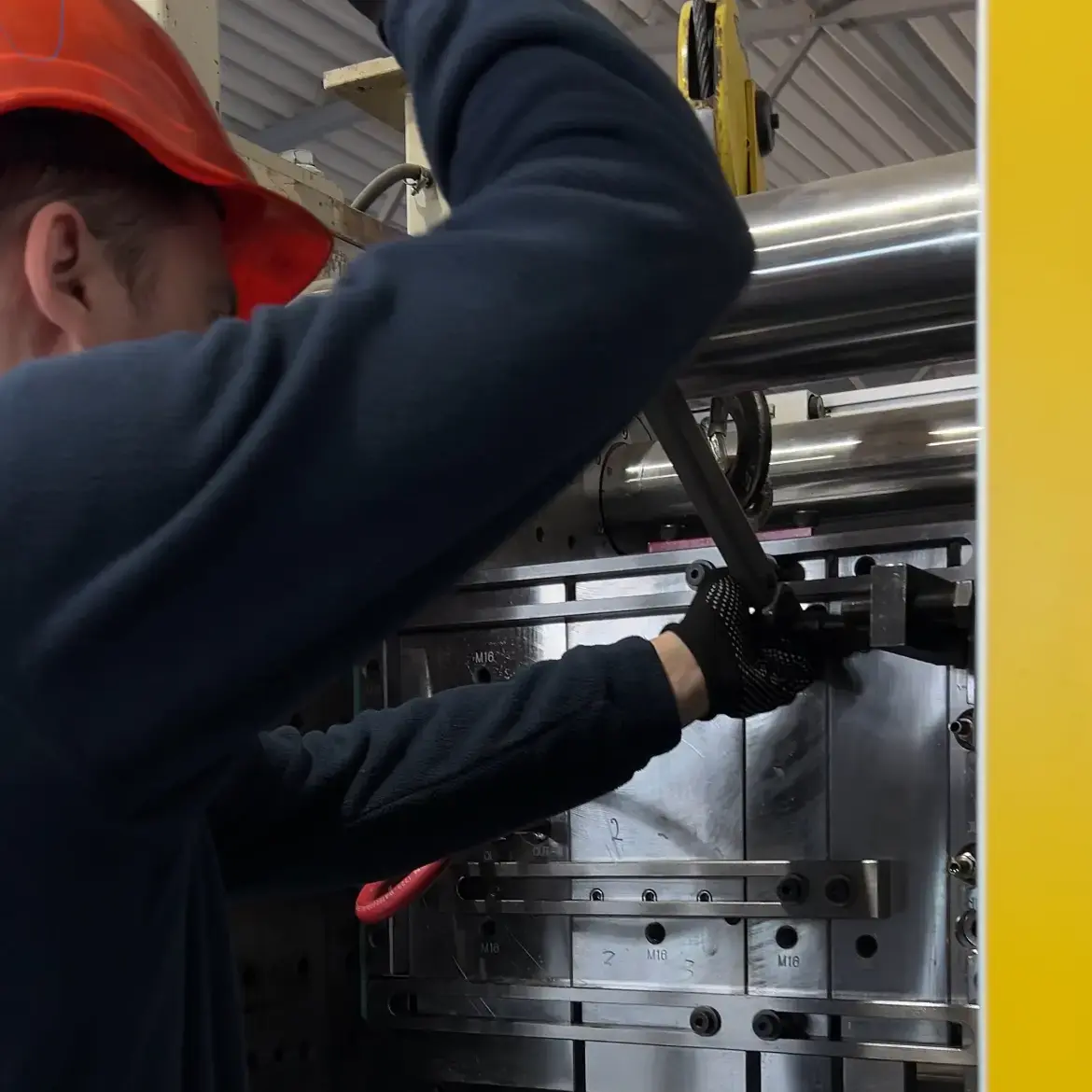
процес виготовлення прес-форм

A full range of mould-related services

Replast supports the project at every key stage — from product analysis to mould testing and the start of injection moulding. This approach allows us to monitor the quality of the future component right from the design stage.

Product analysis and technical specifications

3D modelling of a plastic part

Design of the mould structure

Manufacture of mould components

Testing and launch into production

Maintenance of moulds during operation

The stages of manufacturing a mould for plastic injection moulding

The mould manufacturing process consists of several consecutive stages. Each of these stages affects the final result, so it is important not to skip the engineering preparation and testing stages.

1. Consultation and analysis of the task

In the first stage, we determine exactly what plastic product needs to be manufactured, what it will be used for, what material is planned to be used, and what production volumes are expected. We also establish what the client already has: a finished drawing, a 3D model, a physical prototype, or simply an idea for the future part.

2. Development of a 3D model of the product

A 3D model is required for the precise design of a mould. It enables an assessment of the part’s geometry, wall thickness, mounting points, potential issues with part ejection and other technical features. The model is adapted to the plastic injection moulding process to ensure that the finished product can be manufactured in series in a practical and cost-effective manner.

3. Mould design

At this stage, the mould design is developed. Engineers determine how the plastic will be fed into the mould, how the part will be cooled, how it will be ejected after moulding, and what components are required to ensure the mould operates reliably. Proper design helps to minimise the risk of defects, reduce cycle times and extend the mould’s service life.

4. Mould manufacturing

Once the design has been approved, production of the mould begins. Individual components are manufactured, followed by machining, fitting of parts, assembly and testing of the assemblies.

5. Sand casting

A trial run allows us to check how the mould performs under real-world conditions. During the test casting, we assess the mould filling, the surface quality of the part, the dimensions, and the presence of warping, flash, sink marks or other defects. The results of the test casting help us determine whether the mould requires further refinement or whether the process parameters need to be adjusted.

6. Finalisation and handover to production

Following testing, the mould is modified as necessary. This may involve adjusting individual components, polishing, modifying the runners, adjusting the ejection system, or other technical work. Once finalised, the mould is ready for the start of mass production of plastic products.

7. Mould maintenance and technical supervision

We provide maintenance for the mould, technical supervision during its use, and monitoring of its storage conditions.

Cost of mould manufacturing

The price of a mould is calculated on a case-by-case basis, as each product has its own geometry, complexity, precision requirements and expected service life. It is not possible to accurately determine the cost without analysing the part and the technical specifications.

What determines the price of a mould?

Several key factors influence the cost of mould manufacturing: the complexity of the plastic product, the dimensions of the part, the number of cavities, the type of gating system, the mould materials, the tool’s service life, and the requirements for precision and surface finish.

Mould making: where to start?

You don’t always need a complete set of technical documentation to commission the manufacture of a mould. You can start with what you already have: 3D models, a product sample or even a description of your idea.

If you already have a 3D model of a plastic part, we can analyse it to determine whether the product is suitable for injection moulding. If necessary, we will suggest technical adjustments to simplify mould manufacturing, reduce the risk of defects and prepare the part for mass production. Following the analysis, we can proceed to calculating the cost, timelines and mould design.

Sample of a plastic part

If you have a physical sample of the product but no 3D model, the process can begin with an analysis of the part. Based on the sample, the geometry, functional features, material, and possible requirements for the precision and design of the future mould are determined.
This approach is suitable for resuming production of parts, replacing an old mould, or launching a counterpart to an existing plastic product.

The concept behind the product

If you only have an idea for a plastic product, Replast can help you take it from concept to technical solution. The first stage involves clarifying the product’s purpose, conditions of use, approximate dimensions, material and desired production run. After that, we can develop a 3D model, adapt the design for plastic injection moulding, design the mould and prepare the project for production.

Why you should order a mould from Replast

Replast combines an engineering approach, practical experience in working with plastics and an understanding of mass production. We view a mould not as a standalone product, but as a tool that must perform consistently in a real production environment.

An engineering approach to every product

Experience in the moulding of plastic products

Design with mass production in mind

Quality control at every stage

Frequently asked questions about mould making

What factors are taken into account when designing a mould?

During the design phase, we take into account the product’s geometry, the type of polymer, material shrinkage, the expected production run, the mould’s service life and the precision requirements for the part. This enables us to select the optimal mould design and ensure consistent moulding during production.
To obtain a quote, please provide a 3D model, a photograph or a sample of the plastic product. It is also important to specify the estimated production run, the material, the intended use of the part, and the requirements regarding precision and appearance. If you do not have all the necessary documentation, you can start with a brief description of the project — Replast’s specialists will advise you on what information is required for the next stage.
Approximately 2–4 months. The duration of the design process depends on the complexity of the plastic product, the availability of a ready-made 3D model, the number of cavities, the precision requirements and the design features of the mould.
Once the mould has been manufactured and tested, it can be used to mould plastic products.
The service life of a mould depends on the materials, design, manufacturing precision, type of polymer, operating conditions, production volumes and frequency of maintenance. If a large production run is planned, this must be taken into account at the design stage to ensure that the mould is designed to withstand the corresponding load.

Order the design and manufacture of a mould

Do you need a mould for plastic injection moulding? Contact Replast — we will analyse your requirements, help you develop a technical solution, calculate the cost and suggest the best production method.

    Our partners

    Customer reviews

    Анна profile picture
    Анна
    09:52 27 Mar 26
    Сучасне виробництво, кваліфікований персонал, висока якість виробів, найкращі в Україні виробники пластикових виробів!🫶🏻
    Компетентність, якість, швидкість. Раджу всім кому потрібні якісні вироби з пластику.
    Anatoliy Dnistryanskyy profile picture
    Anatoliy Dnistryanskyy
    15:28 14 Jun 23
    Іноваційний підхід, порядок і чистота на виробництві!